Sleep Disordered Breathing: An Overlooked Health Risk
Reviewed by the GP team at Griffin Medical Centre||6 min read
Key takeaways
- Obstructive sleep apnoea repeatedly blocks the airway during sleep, often without the person knowing.
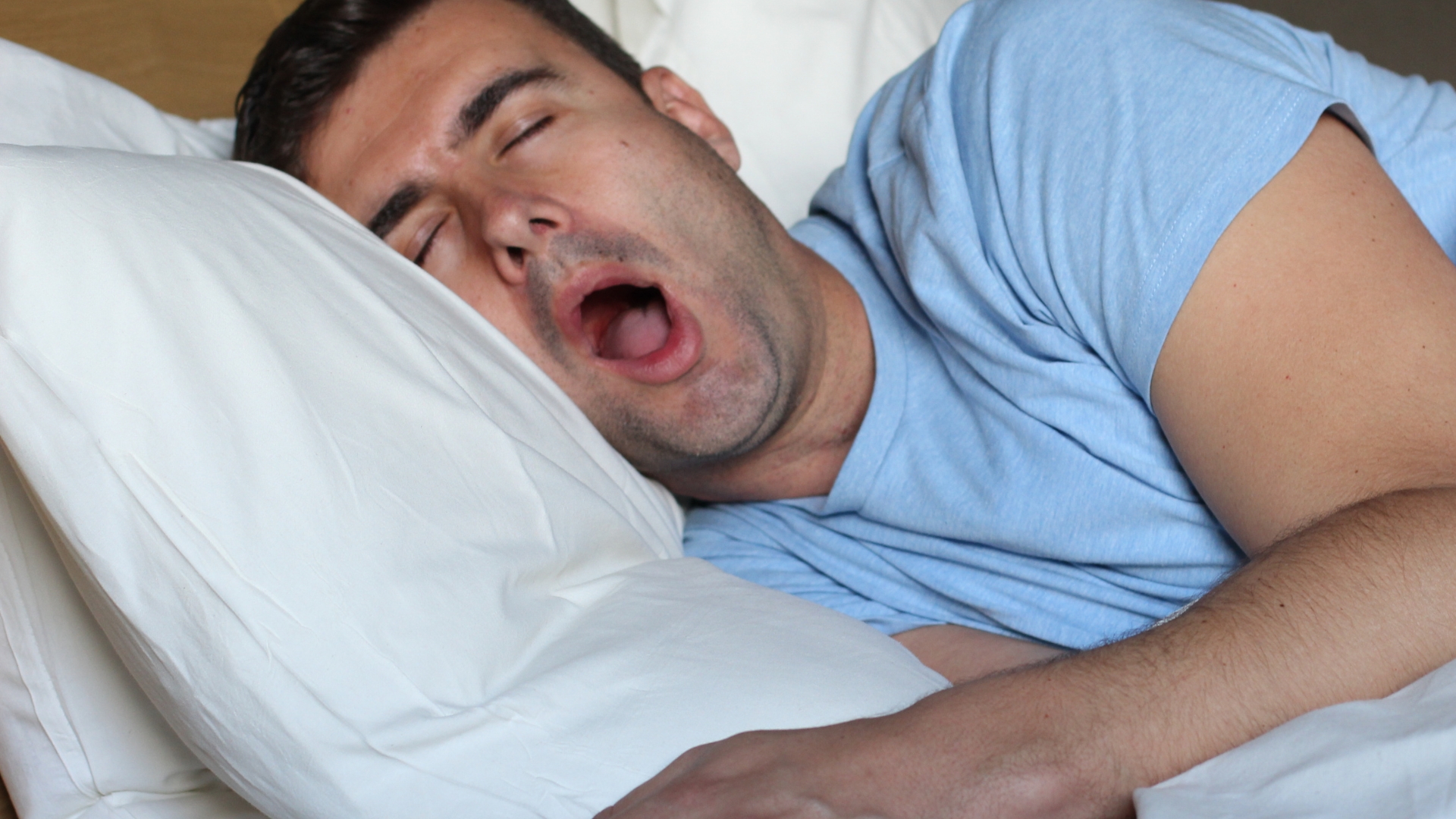
- Loud snoring, choking at night and daytime sleepiness are the classic warning signs.
- Untreated sleep apnoea raises the risk of high blood pressure, stroke and type 2 diabetes.
- Diagnosis is made with a sleep study, and treatment ranges from lifestyle changes to CPAP.
Sleep disordered breathing (SDB), including obstructive sleep apnoea, is a common yet underdiagnosed condition that affects sleep quality and overall health. Left untreated, it can contribute to serious health issues such as hypertension, heart disease and diabetes.
What is sleep disordered breathing?
SDB refers to abnormalities in the respiratory pattern during sleep. The most common type is obstructive sleep apnoea (OSA), where the airway becomes partially or completely blocked repeatedly during the night, causing pauses in breathing. Each pause pulls you briefly out of deep sleep, which is why people with OSA can spend eight hours in bed and still wake unrefreshed.
Symptoms to watch for
- Loud, chronic snoring
- Gasping or choking during sleep
- Excessive daytime sleepiness
- Difficulty concentrating
- Morning headaches
- Irritability or mood swings
- Brain fog or poor memory
- Teeth clenching or grinding
Risk factors
- Asian ethnicity
- Obesity
- Neck circumference over 40cm
- Male gender, though women can also be affected, especially post-menopause
- Age over 40
- Alcohol or sedative use
- Nasal or sinus congestion
- Allergic rhinitis (hay fever)
Health consequences
SDB places strain on the cardiovascular system and disrupts restorative sleep. It is linked to:
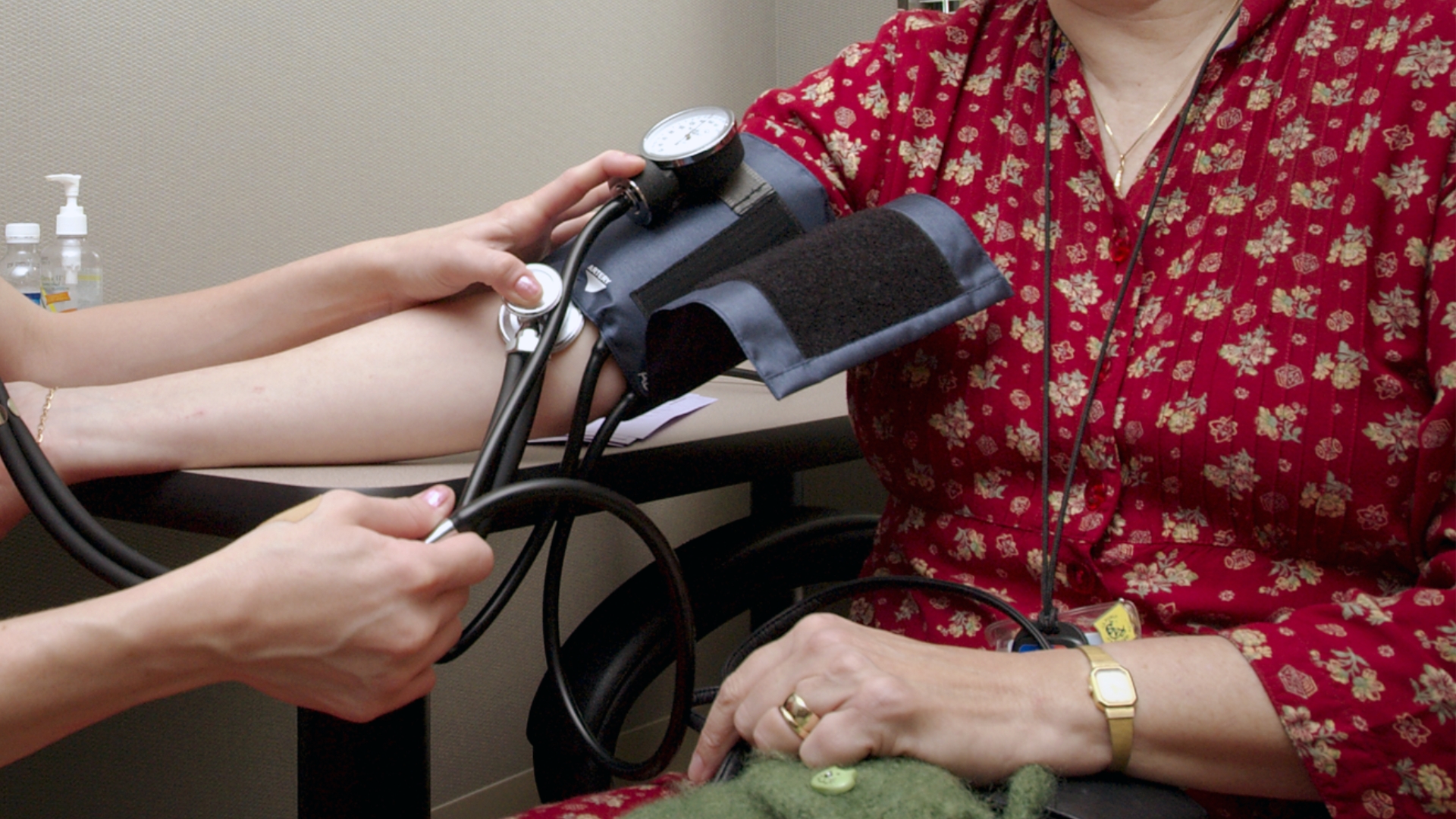
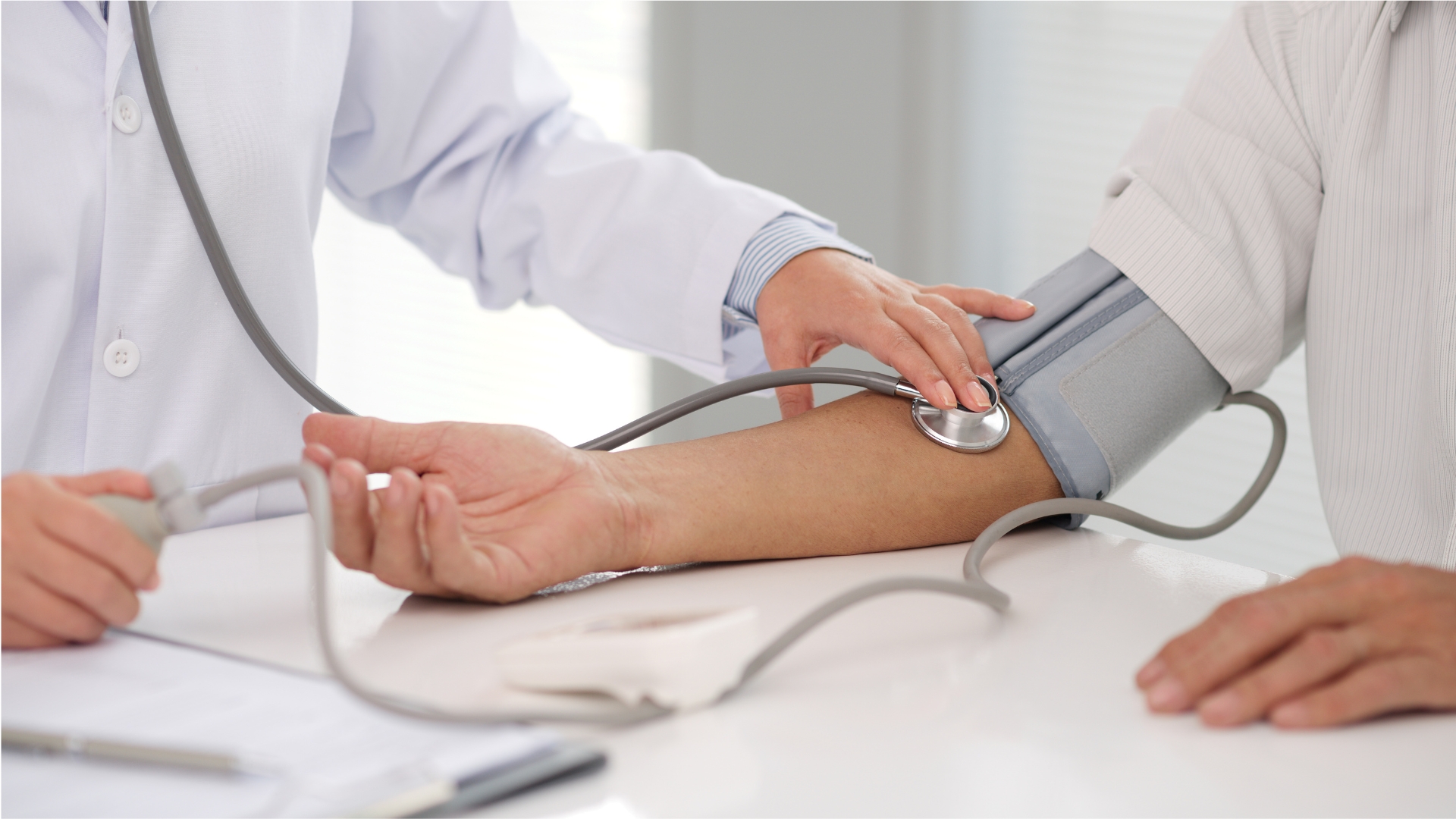
- High blood pressure
- Increased risk of stroke and heart attack
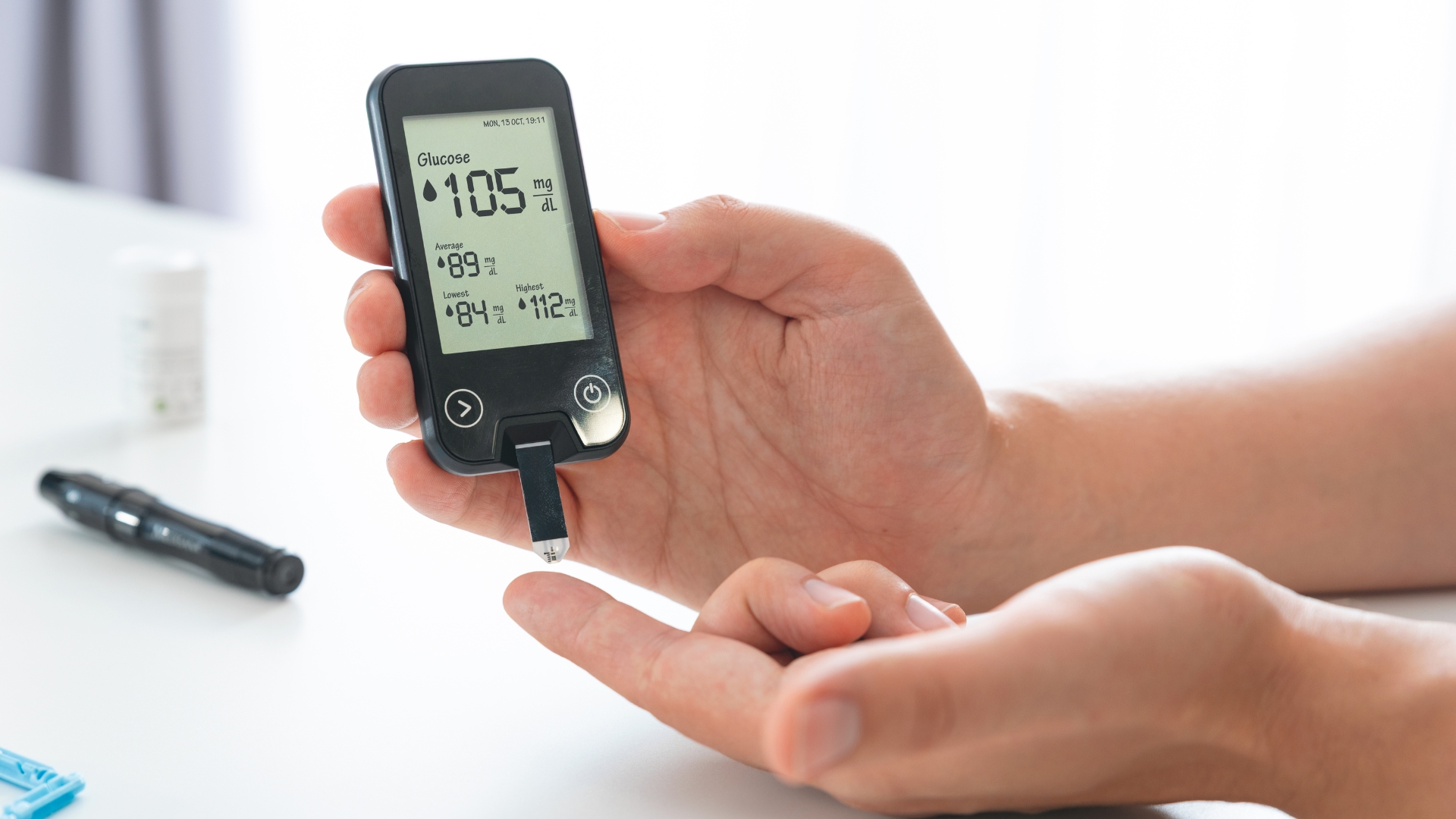
- Type 2 diabetes
- Fatigue-related accidents
- Reduced life expectancy
The link with blood pressure runs both ways, and treating sleep apnoea often improves readings. Our post on hypertension explains why that matters.
Diagnosis and testing
If SDB is suspected, your GP may recommend a sleep study (polysomnography), either in a sleep clinic or via a home-based device. Results determine the severity and type of SDB and guide the treatment plan.
Talk to a GP about this
Bulk billing for all patients with a valid Medicare card.
Treatment options
- Lifestyle changes: weight loss, avoiding alcohol before bed, and sleeping on your side can help
- Oral appliances: useful for mild to moderate cases or those who cannot tolerate CPAP
- CPAP (continuous positive airway pressure): the most effective treatment for severe OSA
- Maxillofacial surgery: single or double jaw advancement surgery for the most severe cases
- Referral to ENT specialists or sleep physicians for further evaluation
Poor sleep also feeds into mood and concentration, so if worry is keeping you awake it is worth reading our guide to recognising and managing anxiety. Further reading on sleep health is available from healthdirect.
When to see your GP
If you or a loved one experiences persistent snoring, choking during sleep, or daytime drowsiness, do not ignore the signs. Early diagnosis and treatment of SDB significantly improve quality of life and reduce health risks. Assessment starts with a standard GP appointment, which you can book through our services page.
Griffin Medical Centre offers assessment and referral pathways for patients experiencing symptoms of sleep disordered breathing. Griffin Medical Centre cares for families across Griffin, Murrumba Downs, North Lakes, Mango Hill and Kallangur.