Managing Type 2 Diabetes: Lifestyle and Monitoring
Reviewed by the GP team at Griffin Medical Centre||5 min read
Key takeaways
- Type 2 diabetes is diagnosed with fasting glucose and HbA1c blood tests.
- Losing 5 to 10 percent of body weight can significantly improve blood sugar levels.
- Low-GI eating and 150 minutes of weekly activity are the foundation of management.
- Routine eye, foot and blood tests catch complications early.
Type 2 diabetes is a chronic condition that affects the way your body metabolises glucose. With the right lifestyle changes and monitoring, it can be effectively managed, and for some people the condition can be put into remission.
Symptoms and diagnosis
Common symptoms include increased thirst, frequent urination, fatigue and blurred vision. A diagnosis is made through blood tests such as fasting glucose levels and the HbA1c test. Many people are diagnosed before symptoms appear, through a routine check, which is why screening matters if you have risk factors.
What about pre-diabetes?
Pre-diabetes means blood glucose is higher than normal but not yet in the diabetic range. It is a warning worth acting on, because lifestyle change at this stage can prevent or delay diabetes altogether. Diabetes Australia offers a free risk assessment tool.
Lifestyle changes
Diet
Focus on low-GI foods such as whole grains, legumes, vegetables and lean protein. Avoid processed sugars and refined carbohydrates. Our post on nutrition basics explains how to build meals around these foods.
Exercise
Aim for at least 150 minutes of moderate exercise per week. Walking, cycling and swimming are excellent choices.
Weight management
Losing even 5 to 10 percent of body weight can significantly improve blood sugar levels.
Blood sugar monitoring
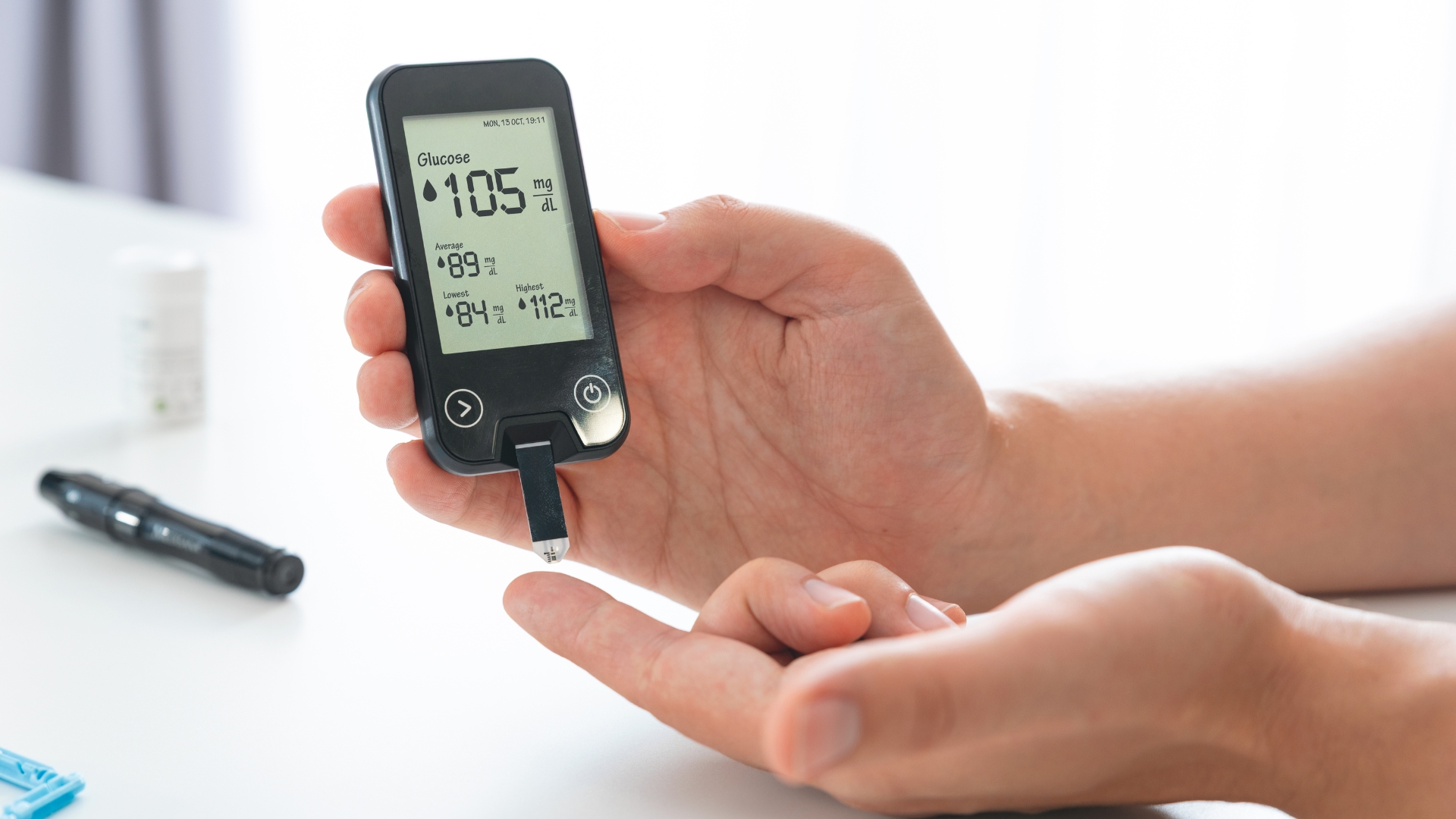
Patients should regularly check their blood glucose levels using a glucose meter. Work with your GP to determine your target range and how often to test.
Talk to a GP about this
Bulk billing for all patients with a valid Medicare card.
Medical support
In some cases, medication such as Metformin is required to manage blood sugar levels. Regular reviews with your healthcare provider ensure your treatment remains effective, and a GP management plan can coordinate care with a dietitian, podiatrist and other services.
Preventing complications
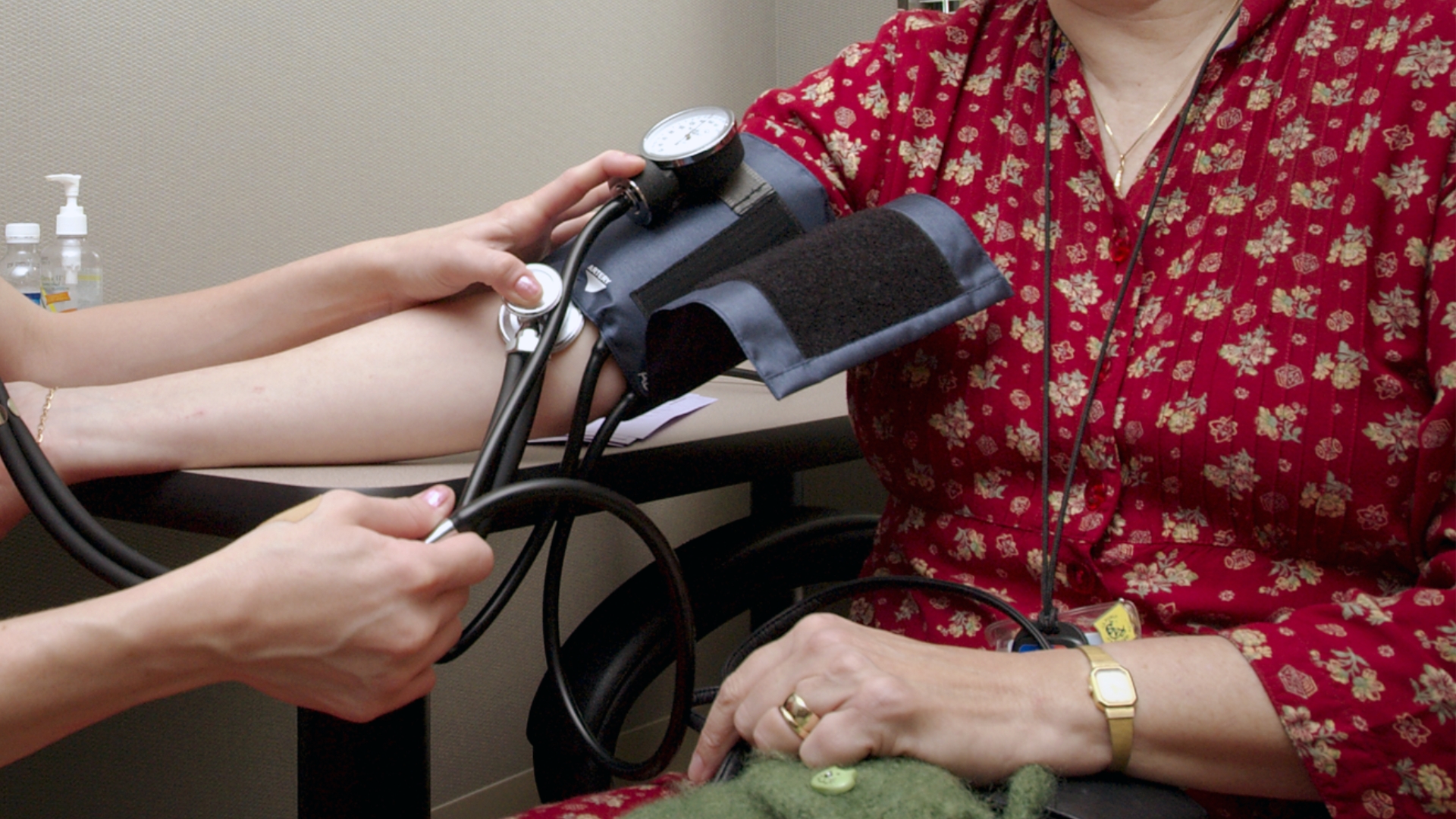
Uncontrolled diabetes can lead to nerve damage, kidney disease and cardiovascular problems. Routine eye exams, foot checks and annual blood tests are essential for early detection of complications. Blood pressure control is equally important, as explained in our post on hypertension.
When to see a doctor
If you experience persistent fatigue, unexplained weight loss, or signs of high or low blood sugar, consult your GP promptly. Chronic disease management and care plans are listed on our services page.
Griffin Medical Centre supports patients living with diabetes through regular reviews, care plans and allied health referrals. Griffin Medical Centre cares for families across Griffin, Murrumba Downs, North Lakes, Mango Hill and Kallangur.