Hypertension: The Silent Killer
Reviewed by the GP team at Griffin Medical Centre||6 min read
Key takeaways
- Normal blood pressure is below 120/80 mmHg; readings consistently above 140/90 mmHg suggest hypertension.
- Hypertension usually has no symptoms until it causes damage.
- Salt reduction, activity and weight loss can lower readings meaningfully.
- Treating underlying sleep apnoea can also improve blood pressure control.
Often called the silent killer, hypertension (high blood pressure) is a major risk factor for heart disease, stroke, kidney damage and other health issues. It frequently shows no symptoms, which is why regular monitoring is critical.
What is hypertension?
Hypertension is when the force of blood against the artery walls is consistently too high. Normal blood pressure is considered to be below 120/80 mmHg. Readings consistently above 140/90 mmHg are generally classified as hypertension.
Causes and risk factors
- Sleep disordered breathing, such as obstructive sleep apnoea
- Family history of high blood pressure
- Poor diet, especially high in sodium
- Lack of physical activity
- Obesity or being overweight
- Smoking and alcohol consumption
- Chronic stress
- Ageing and hormonal conditions
Why it matters
Left untreated, high blood pressure can:
- Damage arteries and organs
- Increase the risk of heart attack and stroke
- Contribute to vision problems
- Cause kidney failure
Prevention and management
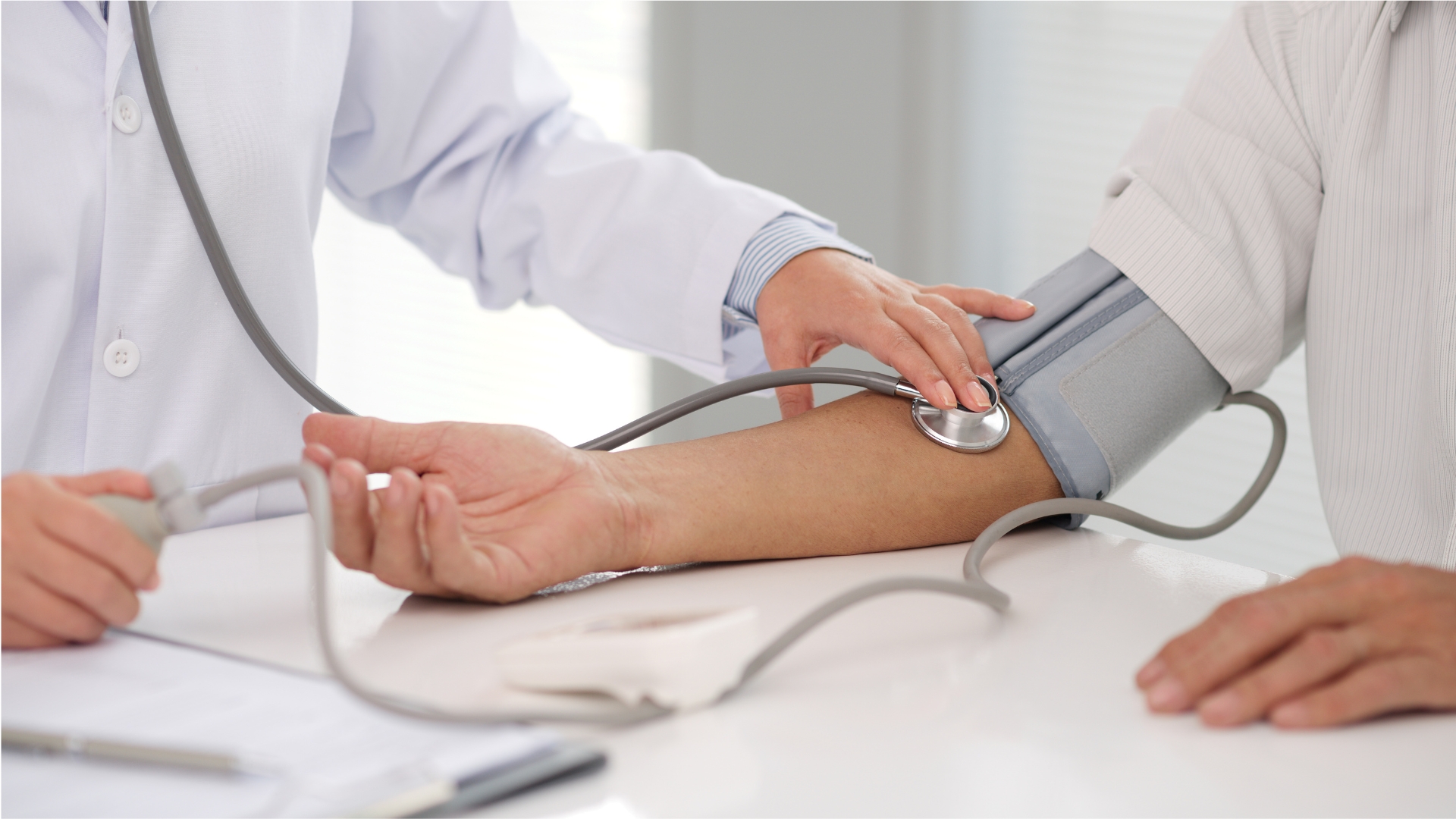
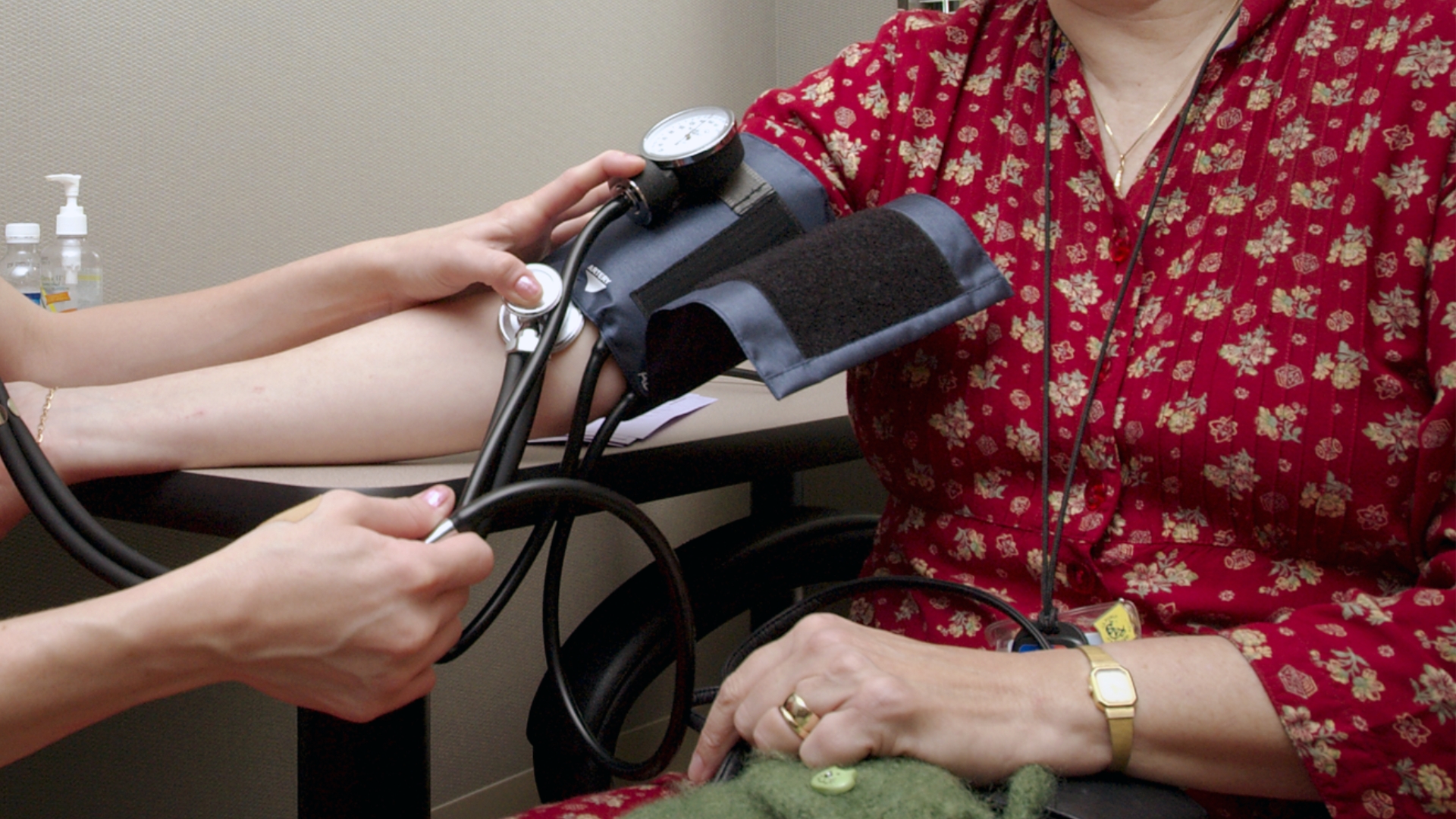
- Monitor blood pressure: check regularly at home and through your GP
- Eat heart-healthy foods: emphasise fruits, vegetables, whole grains and lean proteins
- Limit salt intake: use herbs and spices instead, aiming for less than 2,000 mg sodium daily
- Exercise regularly: aim for at least 30 minutes of moderate activity five days a week
- Manage stress: incorporate mindfulness, relaxation or counselling
- Avoid smoking and limit alcohol, as both raise blood pressure
These steps overlap closely with the advice in our post on heart health, and the Heart Foundation has further guidance on home monitoring technique.
Talk to a GP about this
Bulk billing for all patients with a valid Medicare card.
Treatment options
Treat underlying sleep disorders. Conditions such as sleep apnoea can contribute significantly to high blood pressure, and diagnosis and treatment or airway management can lower blood pressure levels. For some people, lifestyle changes alone are enough. Others may require medication such as ACE inhibitors, beta-blockers or diuretics. Your GP will determine the best course of action and review it over time.
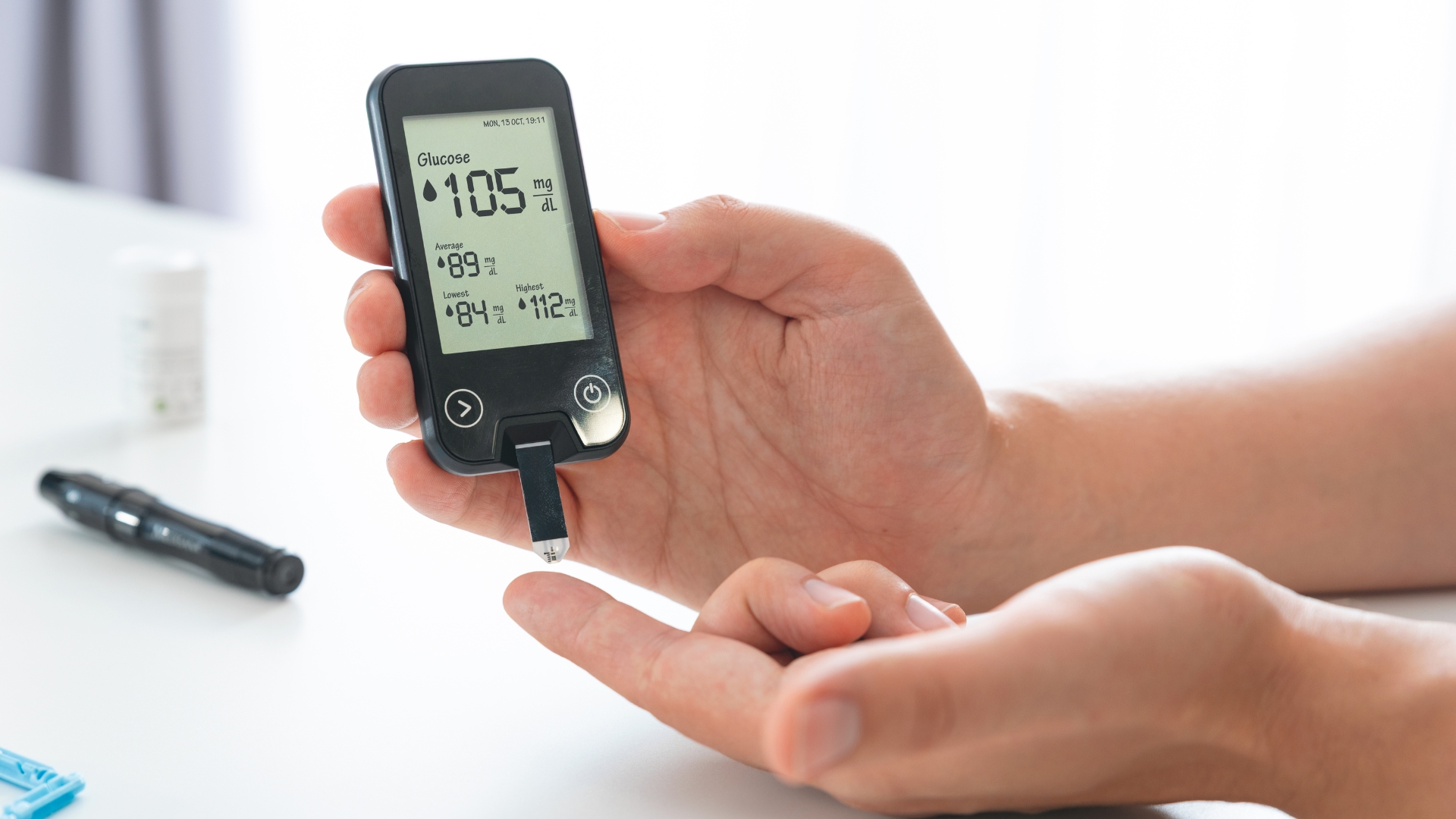
High blood pressure often travels with other conditions, particularly type 2 diabetes, and both are managed together through our chronic disease care, described on the services page.
When to seek help
Hypertension often goes unnoticed until it causes complications. Schedule regular check-ups and see your doctor if you experience frequent headaches, vision issues, chest pain or fatigue.
Griffin Medical Centre provides comprehensive blood pressure checks and personalised care plans for managing hypertension. Griffin Medical Centre cares for families across Griffin, Murrumba Downs, North Lakes, Mango Hill and Kallangur.