Heart Health: Tips for a Healthy Cardiovascular System
Reviewed by the GP team at Griffin Medical Centre||6 min read

Key takeaways
- Heart disease remains Australia's leading cause of death, yet much of it is preventable.
- Aim for at least 150 minutes of moderate aerobic activity each week.
- Blood pressure and cholesterol often have no symptoms, so regular checks matter.
- Chest pain, breathlessness or palpitations should be assessed promptly.
Heart disease remains the leading cause of death in Australia. Maintaining a healthy cardiovascular system is vital to overall health and longevity. The good news is that many heart conditions are preventable through lifestyle changes and routine health monitoring.
Understanding heart health
Your heart is a muscle that pumps blood throughout your body. A healthy cardiovascular system ensures oxygen and nutrients reach vital organs efficiently. When the arteries become clogged or narrowed, the heart has to work harder, leading to high blood pressure and an increased risk of heart attack or stroke.
Risk factors
- Sleep disordered breathing, such as obstructive sleep apnoea
- High blood pressure
- High cholesterol
- Smoking
- Diabetes
- Obesity
- Sedentary lifestyle
- Family history of heart disease
Heart-healthy lifestyle tips
Balanced diet
Eat plenty of fruits, vegetables, whole grains and lean protein. Limit saturated fats, trans fats and sodium. Our guide to building a balanced diet sets out practical portions and swaps.
Regular exercise
Aim for at least 150 minutes of moderate aerobic activity per week. Walking, swimming or cycling are excellent choices, and three brisk 10-minute walks a day is enough to count.
Maintain a healthy weight
Losing excess weight reduces the strain on your heart and helps manage blood pressure and cholesterol.
Limit alcohol and quit smoking
Both contribute to high blood pressure and arterial damage. Quitting smoking improves cardiovascular risk within months.
Regular health monitoring
Talk to a GP about this
Bulk billing for all patients with a valid Medicare card.
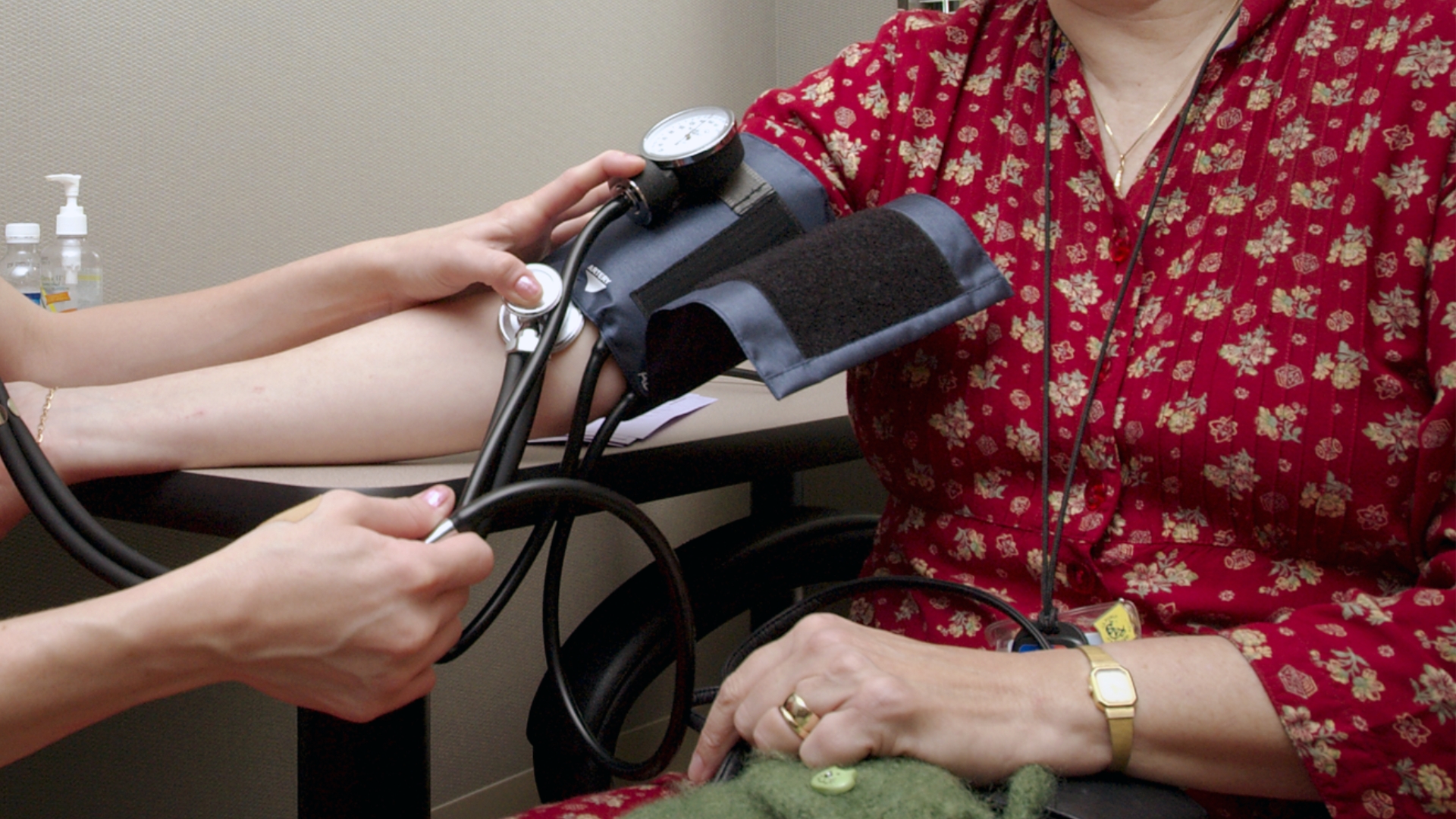
- Blood pressure checks: high blood pressure often has no symptoms, so have it checked regularly
- Cholesterol tests: high cholesterol can lead to plaque buildup in arteries, so ask your GP how often you need testing
- ECG and heart imaging: for patients with symptoms or risk factors, your doctor may recommend further heart investigations
Because blood pressure drives so much cardiovascular risk, it is worth reading our post on hypertension, the silent killer. The Heart Foundation also offers a free risk calculator for Australians aged 45 and over.
Signs of a heart problem
- Chest pain or discomfort
- Shortness of breath
- High blood pressure
- High cholesterol
- Palpitations or irregular heartbeat
- Dizziness or fainting
- Swelling in the legs
When to seek medical advice
If you experience any of the above symptoms, especially during physical activity, consult your GP promptly. Early intervention can prevent more serious complications. If chest pain is severe or sudden, call 000 immediately. Heart health checks and Holter monitoring are available through our services page.
Griffin Medical Centre offers cardiovascular risk assessments and preventative health support to help you stay on track. Griffin Medical Centre cares for families across Griffin, Murrumba Downs, North Lakes, Mango Hill and Kallangur.