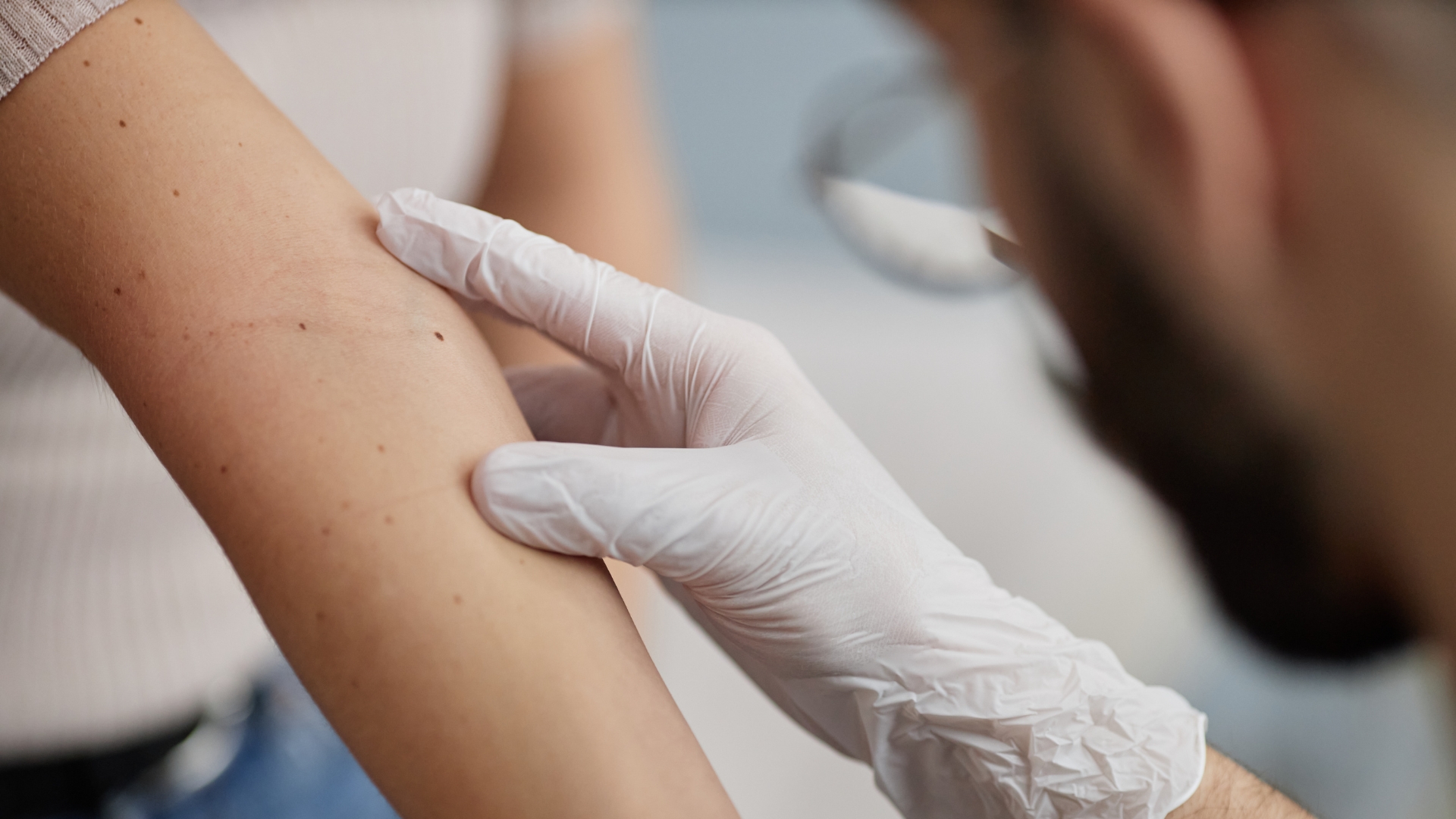
Vaccinations: Protecting Yourself and the Community
Reviewed by the GP team at Griffin Medical Centre||5 min read

Key takeaways
- Vaccines build immunity safely, without you having to catch the disease.
- Influenza vaccination is recommended every year, especially over 65 and with chronic conditions.
- Travel vaccines often need several weeks of lead time before departure.
- Your GP can check your immunisation history and fill any gaps.
Vaccinations are one of the most effective public health measures ever developed. They protect individuals from serious infectious diseases and reduce the spread of illness within the community, which is why your GP will ask about them at almost every preventive health visit.
Why vaccines matter
Vaccines work by stimulating the body's immune system to recognise and fight specific pathogens, such as viruses or bacteria. This provides immunity without causing the disease itself. When a large portion of the community is vaccinated, it creates herd immunity, protecting those who cannot be vaccinated for medical reasons.
Common vaccinations in Australia
- Childhood vaccinations: protect against diphtheria, tetanus, whooping cough, measles, mumps, rubella and more
- Influenza vaccine: recommended annually, especially for people over 65, children under 5, and those with chronic conditions
- COVID-19 vaccine and boosters: ongoing vaccination ensures strong protection against severe illness
- Travel vaccinations: depending on your destination, vaccines for hepatitis, typhoid, yellow fever and others may be needed
Parents can find the full childhood schedule explained in our guide to childhood immunisations.
Myths and facts
Myth: vaccines cause autism
Fact: extensive research across millions of children shows no link between vaccines and autism.
Myth: natural immunity is better
Fact: natural infections can lead to severe complications, whereas vaccines provide safe immunity without the risk of the illness itself.
Vaccine safety
Talk to a GP about this
Bulk billing for all patients with a valid Medicare card.
All vaccines undergo rigorous testing for safety and efficacy, and are monitored continuously after approval. Side effects are typically mild and short-lived, such as soreness at the injection site or a low-grade fever for a day. Reliable plain-English information is available from healthdirect.
Who should get vaccinated?
Vaccination schedules vary by age, health status, occupation and lifestyle. People living with heart disease, diabetes or lung conditions benefit most from annual flu and pneumococcal cover, which sits alongside the other steps described in our post on heart health. Your GP can advise you on the recommended vaccines for your specific situation.
When to see a doctor
If you are unsure about your vaccination status, planning overseas travel, or have questions about vaccine safety, book a consultation. Keeping your immunisation history up to date is essential, and travel vaccines in particular are best organised six to eight weeks before you fly. Vaccination and travel medicine are both listed on our services page.
Griffin Medical Centre offers a full range of vaccinations for all age groups. Protect yourself, your family and the broader community. Griffin Medical Centre cares for families across Griffin, Murrumba Downs, North Lakes, Mango Hill and Kallangur.