
Gut Health: Why Your Digestive System Matters
Reviewed by the GP team at Griffin Medical Centre||5 min read
Key takeaways
- The gut microbiome affects digestion, immunity and mood through the gut-brain axis.
- Fibre and fermented foods are the most reliable way to support healthy bacteria.
- Persistent bloating, reflux or changed bowel habits deserve assessment.
- Conditions like IBS, coeliac disease and IBD need proper diagnosis, not guesswork.
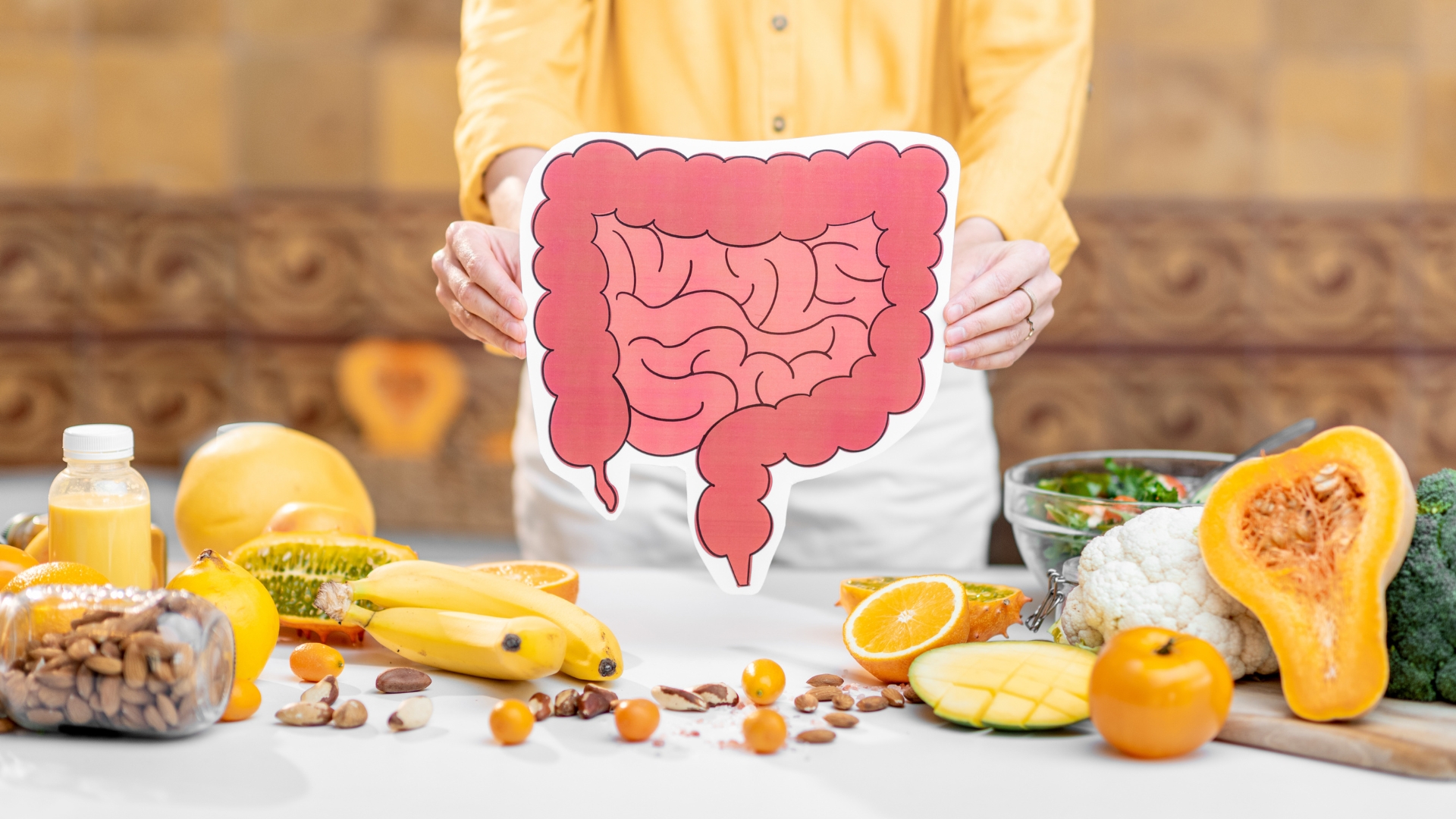
The gut plays a central role in overall health, influencing not only digestion but also immunity, mental health and chronic disease risk. A balanced gut microbiome supports nutrient absorption, protects against harmful bacteria, and communicates with the brain through the gut-brain axis.
Signs of poor gut health
- Bloating, gas or constipation
- Frequent indigestion or reflux
- Food intolerances
- Fatigue or poor concentration
- Recurring infections or illness
Contributing factors
- Poor diet high in processed foods and sugar
- Excessive alcohol or caffeine
- Chronic stress
- Overuse of antibiotics or medications
- Lack of fibre and hydration
Improving gut health
Eat more fibre
Whole grains, legumes, fruits and vegetables feed healthy bacteria. Building meals this way is covered in detail in our guide to nutrition basics.
Include fermented foods
Yoghurt, kefir, sauerkraut, kimchi and miso introduce beneficial probiotics. Start with small servings if you are not used to them.
Stay hydrated
Water helps digestion and prevents constipation.
Avoid overuse of antibiotics
Talk to a GP about this
Bulk billing for all patients with a valid Medicare card.
Take antibiotics only when necessary and under a doctor's direction.
Manage stress
Stress alters gut motility and microbiota, so relaxation techniques such as mindfulness or gentle exercise genuinely help. The same techniques are described in our post on recognising and managing anxiety.
When to see your GP
Persistent digestive symptoms should not be ignored. Conditions such as irritable bowel syndrome (IBS), coeliac disease, inflammatory bowel disease (IBD) or food intolerances require proper diagnosis and care. Do not start a restrictive diet before testing, because coeliac testing is only accurate while you are still eating gluten. Reliable background reading is available from healthdirect.
Blood in the stool, unintentional weight loss or a lasting change in bowel habit should be reviewed promptly. On-site pathology collection and dietetics are both listed on our services page.
Griffin Medical Centre offers thorough assessments for digestive concerns and can guide you on nutrition, testing and specialist referrals. Griffin Medical Centre cares for families across Griffin, Murrumba Downs, North Lakes, Mango Hill and Kallangur.