
Griffin Medical Centre

Copy Phone Number

Understanding Skin Cancer:

Prevention and Early Detection

Australia has one of the highest rates of skin cancer globally, with approximately two in three Australians diagnosed by the age of 70. Early detection and prevention are crucial in reducing the impact of skin cancer. Skin cancer occurs when skin cells grow abnormally, often due to overexposure to ultraviolet (UV) radiation from the sun or artificial sources like tanning beds.
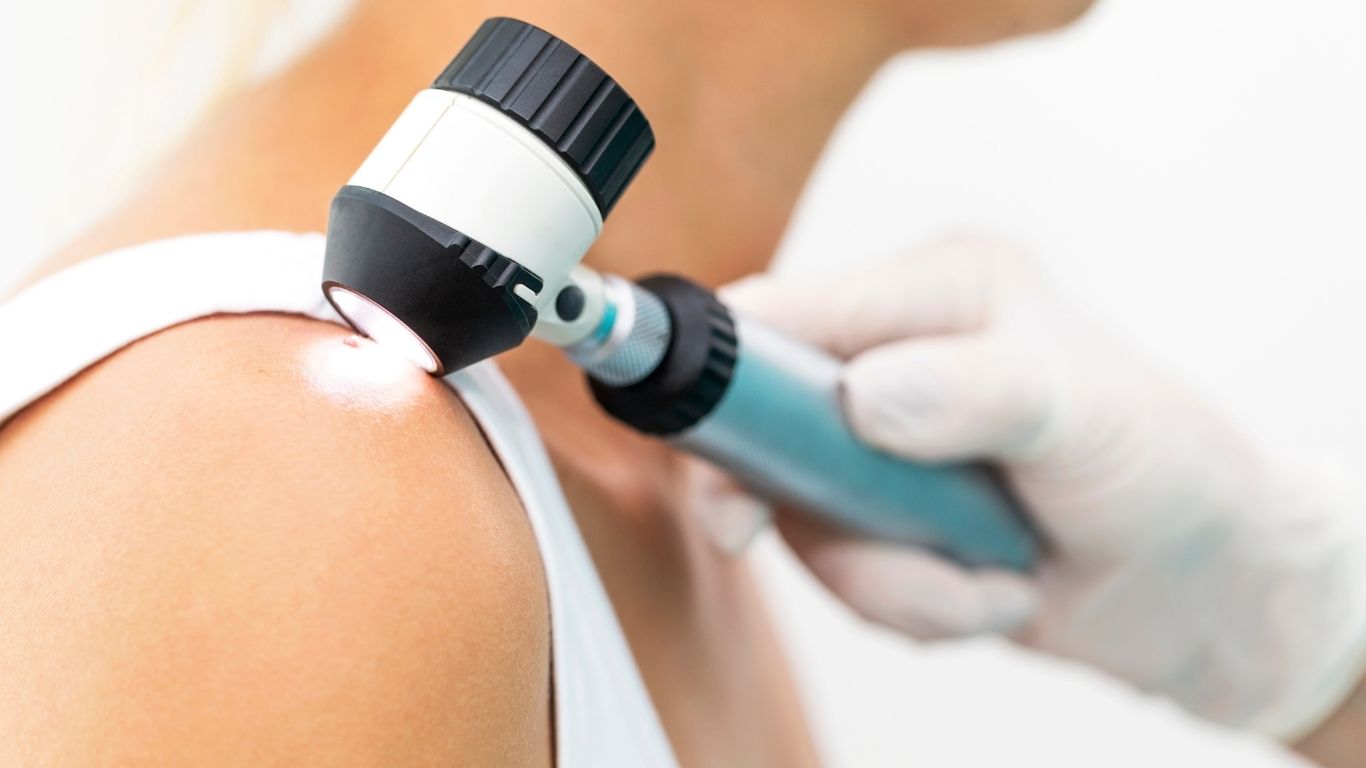
Types of Skin Cancer

  • Basal Cell Carcinoma (BCC): The most common and least dangerous form. It grows slowly and rarely spreads but can cause significant local damage if untreated.
  • Squamous Cell Carcinoma (SCC): Can spread to other parts of the body if not treated. Often appears as a red, scaly patch or sore that doesn’t heal.
  • Melanoma: The most serious form. It can spread quickly to other organs and requires early intervention. Melanomas often look like new or changing moles.

Prevention Strategies

Preventing skin cancer involves minimizing UV exposure and protecting your skin:

  • Seek Shade: Especially between 10 am and 4 pm when UV rays are strongest.
  • Wear Protective Clothing: Long-sleeved shirts, pants, and wide-brimmed hats offer good protection.
  • Use Sunscreen: Apply a broad-spectrum SPF 30 or higher sunscreen every two hours, and after swimming or sweating.
  • Avoid Tanning Beds: These emit harmful UV radiation that increases skin cancer risk.
Skin Check

Early Detection

Regular skin checks are vital:


  • Self-Examination: Look for new or changing moles, spots, or lesions. Use the ABCDE rule (Asymmetry, Border, Colour, Diameter, Evolving) to assess moles.
  • Professional Skin Checks: Schedule regular examinations with your healthcare provider, especially if you have a history of sunburns, fair skin, or a family history of skin cancer.
    Early detection significantly increases the chances of successful treatment. If caught early, most skin cancers are treatable and can be removed with minor surgery.

When to See a Doctor

If you notice any suspicious skin changes, make an appointment with your GP. Skin changes that bleed, itch, change shape, or do not heal warrant professional evaluation.

Stay informed!

Subscribe to our Newsletter

You have been successfully Subscribed! Ops! Something went wrong, please try again.

Leave a Reply

Your email address will not be published. Required fields are marked *